Sourdough Lemon Cake
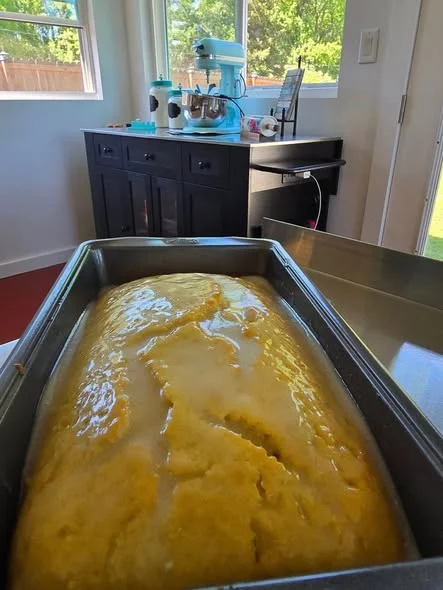
This Sourdough Lemon Cake is soft, moist, tender, and bursting with fresh lemon flavor. Made with sourdough discard, fresh lemon juice, and fragrant lemon zest, it has a bright citrus flavor balanced by a subtle sourdough tang.
A simple homemade lemon glaze is drizzled over the cooled cake, adding just the right amount of sweetness and an extra pop of lemon. It’s an easy and delicious way to use leftover sourdough discard and makes a wonderful breakfast treat, afternoon snack, or simple dessert.
Whether you enjoy it with a cup of tea or serve it with fresh berries after dinner, this lemon cake is an easy homemade favorite.
Why You’ll Love This Sourdough Lemon Cake
- Soft and moist: Sourdough discard helps create a tender crumb.
- Fresh lemon flavor: Lemon juice and zest give the cake a bright citrus taste.
- Easy to make: The batter comes together with simple ingredients.
- Great for sourdough discard: It’s a delicious way to use unfed discard.
- Simple glaze: The fresh lemon glaze adds sweetness without overpowering the cake.
- Versatile: Serve it for breakfast, afternoon tea, or dessert.
Ingredients
For the Lemon Cake
- 1 cup sourdough discard, unfed
- 1 cup all-purpose flour
- 1 teaspoon baking powder
- ½ teaspoon baking soda
- ¼ teaspoon salt
- ½ cup unsalted butter, softened
- ¾ cup granulated sugar
- 2 large eggs
- ¼ cup milk
- 2 tablespoons fresh lemon juice
- 1 tablespoon fresh lemon zest
- 1 teaspoon vanilla extract
For the Lemon Glaze
- 1 cup powdered sugar
- 2–3 tablespoons fresh lemon juice
How to Make Sourdough Lemon Cake
1. Prepare the Pan and Oven
Preheat your oven to 350°F (180°C).
Grease a standard loaf pan or round cake pan with butter or cooking spray. For easier removal, line the bottom with parchment paper.
2. Combine the Dry Ingredients
In a medium bowl, whisk together the all-purpose flour, baking powder, baking soda, and salt.
Mix until everything is evenly distributed, then set the bowl aside.
3. Cream the Butter and Sugar
Add the softened butter and granulated sugar to a large mixing bowl.
Beat until the mixture becomes light, creamy, and fluffy. This step helps create a soft and tender cake.
4. Add the Wet Ingredients
Add the eggs one at a time, mixing well after each addition.
Add the sourdough discard, milk, fresh lemon juice, lemon zest, and vanilla extract. Mix until the ingredients are well combined.
The batter may look slightly different or less smooth after adding the sourdough discard. That’s completely normal.
5. Finish the Batter
Gradually add the dry ingredients to the wet mixture.
Mix gently with a spatula or on low speed just until the flour disappears. Avoid overmixing, as too much mixing can make the finished cake dense.
Scrape the sides and bottom of the bowl to make sure there are no pockets of dry flour.
6. Bake the Cake
Pour the batter into the prepared pan and smooth the top.
Bake for 35–45 minutes, checking around the 35-minute mark.
Insert a toothpick into the center of the cake. If it comes out clean or with a few moist crumbs attached, the cake is ready.
If the top starts browning too quickly, loosely cover the cake with foil for the remaining baking time.
7. Cool Completely
Remove the cake from the oven and allow it to cool in the pan for 10–15 minutes.
Carefully remove the cake from the pan and transfer it to a wire rack.
Let it cool completely before adding the glaze. Glazing a warm cake can cause the icing to melt and soak into the surface.
8. Make the Lemon Glaze
Add the powdered sugar to a small bowl.
Pour in 2 tablespoons of fresh lemon juice and whisk until smooth.
If the glaze is too thick, add a little more lemon juice, a small amount at a time. If it becomes too thin, add additional powdered sugar.
The finished glaze should be smooth and thick enough to drizzle easily over the cake.
9. Glaze the Cake
Once the cake has completely cooled, drizzle the lemon glaze over the top.
Allow the glaze to sit for several minutes so it can begin to set.
For an extra fresh presentation, sprinkle a little finely grated lemon zest over the glaze before serving.
Tips for the Best Sourdough Lemon Cake
Use Fresh Lemons
Fresh lemon juice provides a much brighter citrus flavor than bottled juice. Fresh zest is equally important because much of the lemon’s fragrant aroma comes from the peel.
Use Softened Butter
Room-temperature butter blends more easily with the sugar and helps create a smooth, well-aerated batter.
Don’t Overmix
Once the dry ingredients are added, mix only until everything is combined. Overmixing can develop too much gluten and result in a heavier cake.
Measure Flour Carefully
Too much flour can make the cake dry. If measuring by volume, spoon the flour into the measuring cup and level it off rather than scooping directly from the flour container.
Let the Cake Cool Before Glazing
A completely cooled cake gives you a cleaner glaze that stays on top instead of melting into the crumb.
Easy Variations
Lemon Blueberry Cake
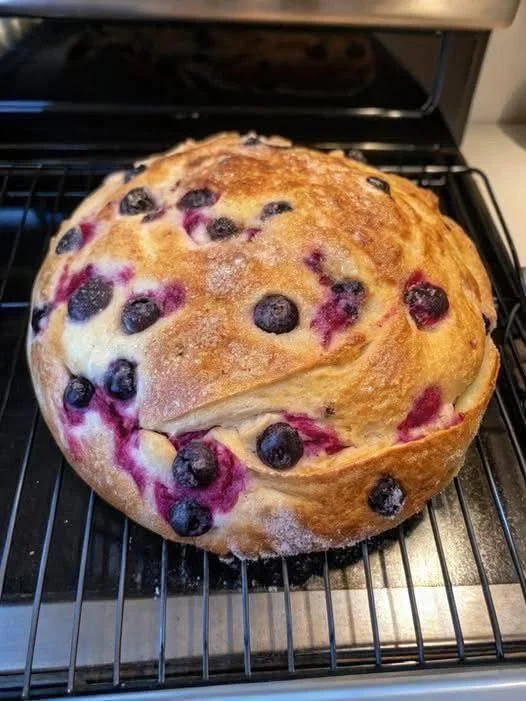
Add fresh or frozen blueberries for a delicious lemon-blueberry combination. Gently fold them into the finished batter before transferring it to the pan.
Sourdough Lemon Cupcakes
Turn the batter into cupcakes for an easy individual dessert. Divide the batter between lined muffin cups and begin checking for doneness earlier than you would for a full cake.
Extra Lemon Flavor
For an even more pronounced citrus flavor, add a little extra lemon zest to the glaze or sprinkle fresh zest over the finished cake.
How to Serve Sourdough Lemon Cake
This cake is delicious served simply with a cup of coffee or tea.
For dessert, pair a slice with:
- Fresh berries
- Whipped cream
- Vanilla ice cream
- A little extra lemon glaze
- A light dusting of powdered sugar
The bright lemon flavor also makes this cake especially nice for spring and summer gatherings, brunches, afternoon tea, and family celebrations.
How to Store
Store the cooled cake in an airtight container at room temperature for short-term storage.
For longer storage, refrigerate the cake in a tightly covered container.
If refrigerated, allow a slice to sit at room temperature for a few minutes before serving. This helps the cake soften and brings back some of its fresh flavor and tender texture.
Frequently Asked Questions
Can I use active sourdough starter instead of discard?
Yes. Active sourdough starter can be used, although the texture and flavor may vary slightly depending on how active the starter is.
Does this cake taste strongly sour?
No. The sourdough contributes a mild tang, but the dominant flavor is fresh lemon. The sugar and vanilla help balance the natural acidity of the sourdough.
Can I make this cake without the glaze?
Absolutely. The cake is flavorful on its own. However, the lemon glaze adds extra sweetness and makes the citrus flavor more pronounced.
Can I add blueberries?
Yes. Blueberries pair beautifully with lemon. Gently fold fresh or frozen blueberries into the batter before baking.
Can I use bottled lemon juice?
Fresh lemon juice is recommended for the best flavor, especially because this recipe also uses lemon zest. Bottled lemon juice can work in a pinch, but the finished cake may not have the same bright citrus flavor.
Why did my lemon cake turn out dense?
Overmixing, inaccurate flour measurements, or using baking powder or baking soda that has lost its freshness can contribute to a dense cake. Mix the batter gently and only until the ingredients are combined.
Recipe at a Glance
Recipe: Sourdough Lemon Cake
Prep Time: 15–20 minutes
Bake Time: 35–45 minutes
Cooling Time: About 30 minutes
Total Time: About 1 hour 30 minutes
Yield: 1 cake
Texture: Soft, moist, and tender
Flavor: Bright lemon with a gentle sourdough tang
Final Thoughts
This Sourdough Lemon Cake is an easy and delicious way to turn leftover sourdough discard into a fresh homemade treat. The tender crumb, bright lemon flavor, and sweet-tart glaze make every slice feel special without requiring complicated baking techniques.
Serve it with coffee or tea for an afternoon treat, or add fresh berries and whipped cream for an easy dessert. Once you try this recipe, you’ll have one more delicious reason to keep that sourdough discard around.This Sourdough Lemon Cake is soft, moist, tender, and bursting with fresh lemon flavor. Made with sourdough discard, fresh lemon juice, and fragrant lemon zest, it has a bright citrus flavor balanced by a subtle sourdough tang.
A simple homemade lemon glaze is drizzled over the cooled cake, adding just the right amount of sweetness and an extra pop of lemon. It’s an easy and delicious way to use leftover sourdough discard and makes a wonderful breakfast treat, afternoon snack, or simple dessert.
Whether you enjoy it with a cup of tea or serve it with fresh berries after dinner, this lemon cake is an easy homemade favorite.
Why You’ll Love This Sourdough Lemon Cake
- Soft and moist: Sourdough discard helps create a tender crumb.
- Fresh lemon flavor: Lemon juice and zest give the cake a bright citrus taste.
- Easy to make: The batter comes together with simple ingredients.
- Great for sourdough discard: It’s a delicious way to use unfed discard.
- Simple glaze: The fresh lemon glaze adds sweetness without overpowering the cake.
- Versatile: Serve it for breakfast, afternoon tea, or dessert.
Ingredients
For the Lemon Cake
- 1 cup sourdough discard, unfed
- 1 cup all-purpose flour
- 1 teaspoon baking powder
- ½ teaspoon baking soda
- ¼ teaspoon salt
- ½ cup unsalted butter, softened
- ¾ cup granulated sugar
- 2 large eggs
- ¼ cup milk
- 2 tablespoons fresh lemon juice
- 1 tablespoon fresh lemon zest
- 1 teaspoon vanilla extract
For the Lemon Glaze
- 1 cup powdered sugar
- 2–3 tablespoons fresh lemon juice
How to Make Sourdough Lemon Cake
1. Prepare the Pan and Oven
Preheat your oven to 350°F (180°C).
Grease a standard loaf pan or round cake pan with butter or cooking spray. For easier removal, line the bottom with parchment paper.
2. Combine the Dry Ingredients
In a medium bowl, whisk together the all-purpose flour, baking powder, baking soda, and salt.
Mix until everything is evenly distributed, then set the bowl aside.
3. Cream the Butter and Sugar
Add the softened butter and granulated sugar to a large mixing bowl.
Beat until the mixture becomes light, creamy, and fluffy. This step helps create a soft and tender cake.
4. Add the Wet Ingredients
Add the eggs one at a time, mixing well after each addition.
Add the sourdough discard, milk, fresh lemon juice, lemon zest, and vanilla extract. Mix until the ingredients are well combined.
The batter may look slightly different or less smooth after adding the sourdough discard. That’s completely normal.
5. Finish the Batter
Gradually add the dry ingredients to the wet mixture.
Mix gently with a spatula or on low speed just until the flour disappears. Avoid overmixing, as too much mixing can make the finished cake dense.
Scrape the sides and bottom of the bowl to make sure there are no pockets of dry flour.
6. Bake the Cake
Pour the batter into the prepared pan and smooth the top.
Bake for 35–45 minutes, checking around the 35-minute mark.
Insert a toothpick into the center of the cake. If it comes out clean or with a few moist crumbs attached, the cake is ready.
If the top starts browning too quickly, loosely cover the cake with foil for the remaining baking time.
7. Cool Completely
Remove the cake from the oven and allow it to cool in the pan for 10–15 minutes.
Carefully remove the cake from the pan and transfer it to a wire rack.
Let it cool completely before adding the glaze. Glazing a warm cake can cause the icing to melt and soak into the surface.
8. Make the Lemon Glaze
Add the powdered sugar to a small bowl.
Pour in 2 tablespoons of fresh lemon juice and whisk until smooth.
If the glaze is too thick, add a little more lemon juice, a small amount at a time. If it becomes too thin, add additional powdered sugar.
The finished glaze should be smooth and thick enough to drizzle easily over the cake.
9. Glaze the Cake
Once the cake has completely cooled, drizzle the lemon glaze over the top.
Allow the glaze to sit for several minutes so it can begin to set.
For an extra fresh presentation, sprinkle a little finely grated lemon zest over the glaze before serving.
Tips for the Best Sourdough Lemon Cake
Use Fresh Lemons
Fresh lemon juice provides a much brighter citrus flavor than bottled juice. Fresh zest is equally important because much of the lemon’s fragrant aroma comes from the peel.
Use Softened Butter
Room-temperature butter blends more easily with the sugar and helps create a smooth, well-aerated batter.
Don’t Overmix
Once the dry ingredients are added, mix only until everything is combined. Overmixing can develop too much gluten and result in a heavier cake.
Measure Flour Carefully
Too much flour can make the cake dry. If measuring by volume, spoon the flour into the measuring cup and level it off rather than scooping directly from the flour container.
Let the Cake Cool Before Glazing
A completely cooled cake gives you a cleaner glaze that stays on top instead of melting into the crumb.
Easy Variations
Lemon Blueberry Cake
Add fresh or frozen blueberries for a delicious lemon-blueberry combination. Gently fold them into the finished batter before transferring it to the pan.
Sourdough Lemon Cupcakes
Turn the batter into cupcakes for an easy individual dessert. Divide the batter between lined muffin cups and begin checking for doneness earlier than you would for a full cake.
Extra Lemon Flavor
For an even more pronounced citrus flavor, add a little extra lemon zest to the glaze or sprinkle fresh zest over the finished cake.
How to Serve Sourdough Lemon Cake
This cake is delicious served simply with a cup of coffee or tea.
For dessert, pair a slice with:
- Fresh berries
- Whipped cream
- Vanilla ice cream
- A little extra lemon glaze
- A light dusting of powdered sugar
The bright lemon flavor also makes this cake especially nice for spring and summer gatherings, brunches, afternoon tea, and family celebrations.
How to Store
Store the cooled cake in an airtight container at room temperature for short-term storage.
For longer storage, refrigerate the cake in a tightly covered container.
If refrigerated, allow a slice to sit at room temperature for a few minutes before serving. This helps the cake soften and brings back some of its fresh flavor and tender texture.
Frequently Asked Questions
Can I use active sourdough starter instead of discard?
Yes. Active sourdough starter can be used, although the texture and flavor may vary slightly depending on how active the starter is.
Does this cake taste strongly sour?
No. The sourdough contributes a mild tang, but the dominant flavor is fresh lemon. The sugar and vanilla help balance the natural acidity of the sourdough.
Can I make this cake without the glaze?
Absolutely. The cake is flavorful on its own. However, the lemon glaze adds extra sweetness and makes the citrus flavor more pronounced.
Can I add blueberries?
Yes. Blueberries pair beautifully with lemon. Gently fold fresh or frozen blueberries into the batter before baking.
Can I use bottled lemon juice?
Fresh lemon juice is recommended for the best flavor, especially because this recipe also uses lemon zest. Bottled lemon juice can work in a pinch, but the finished cake may not have the same bright citrus flavor.
Why did my lemon cake turn out dense?
Overmixing, inaccurate flour measurements, or using baking powder or baking soda that has lost its freshness can contribute to a dense cake. Mix the batter gently and only until the ingredients are combined.
Recipe at a Glance
Recipe: Sourdough Lemon Cake
Prep Time: 15–20 minutes
Bake Time: 35–45 minutes
Cooling Time: About 30 minutes
Total Time: About 1 hour 30 minutes
Yield: 1 cake
Texture: Soft, moist, and tender
Flavor: Bright lemon with a gentle sourdough tang
Final Thoughts
This Sourdough Lemon Cake is an easy and delicious way to turn leftover sourdough discard into a fresh homemade treat. The tender crumb, bright lemon flavor, and sweet-tart glaze make every slice feel special without requiring complicated baking techniques.
Serve it with coffee or tea for an afternoon treat, or add fresh berries and whipped cream for an easy dessert. Once you try this recipe, you’ll have one more delicious reason to keep that sourdough discard around.